


For most people, hydration is something they only think about when they feel thirsty. But sometimes your body gives you small signs that it may need more fluids. These signs can be easy to miss, especially during busy days, warm weather, workouts, travel, or long stretches without drinking enough water. Understanding the signs and symptoms of dehydration can help you pay closer attention to what your body is telling you before that “I’m just a little thirsty” feeling turns into something more uncomfortable.
What Is Dehydration?
Dehydration happens when the body loses more fluid than it takes in.
Maybe you are sweating more than usual. Perhaps, you’re outside in warmer than usual weather. Maybe you are traveling, exercising, or simply forgetting to drink enough water during a busy day.
Hydration needs can vary from person to person and they can change based on activity level, temperature, diet, and routine. That is why the signs and symptoms of dehydration are not always the same for everyone.
Common Signs and Symptoms of Dehydration
Everyone’s different, but there are a few common cues people sometimes associate with dehydration.
Thirst is the most obvious sign. If you feel thirsty, your body may already be asking for fluids. While thirst is normal, it is also a reminder not to wait too long before drinking something.
A dry or sticky mouth can be another common sign that you may need more fluids. This can happen after exercise, after sleeping, during travel, or when you have gone a while without drinking water.
Feeling unusually tired can be one of the more overlooked signs and symptoms of dehydration. When you are busy, it is easy to assume fatigue comes from work, poor sleep, stress, or a packed schedule. But if you are tired and realize you have barely had anything to drink, it may be time to pause and rehydrate.
A headache can have many causes, but some people notice headaches when they have not had enough fluids. This is common during hot days, while traveling, or after long periods of activity.
Feeling dizzy or lightheaded is another sign worth paying attention to. It may happen after standing up quickly, after exercising, during hot weather, or when you have gone too long without fluids.
Some people notice muscle cramps after sweating, exercise, or long periods of activity. Cramps can happen for many reasons, but when they appear alongside sweating and low fluid intake, hydration may be one factor to consider.
When Dehydration May Happen More Often
Dehydration is not only something that happens during intense workouts. It can happen during ordinary days, especially when you are distracted or out of rhythm.
Workouts, fitness classes, walks, runs, cycling, and sports can all lead to sweating. The more you sweat, the more important it becomes to pay attention to how much you are drinking before, during, and after activity.
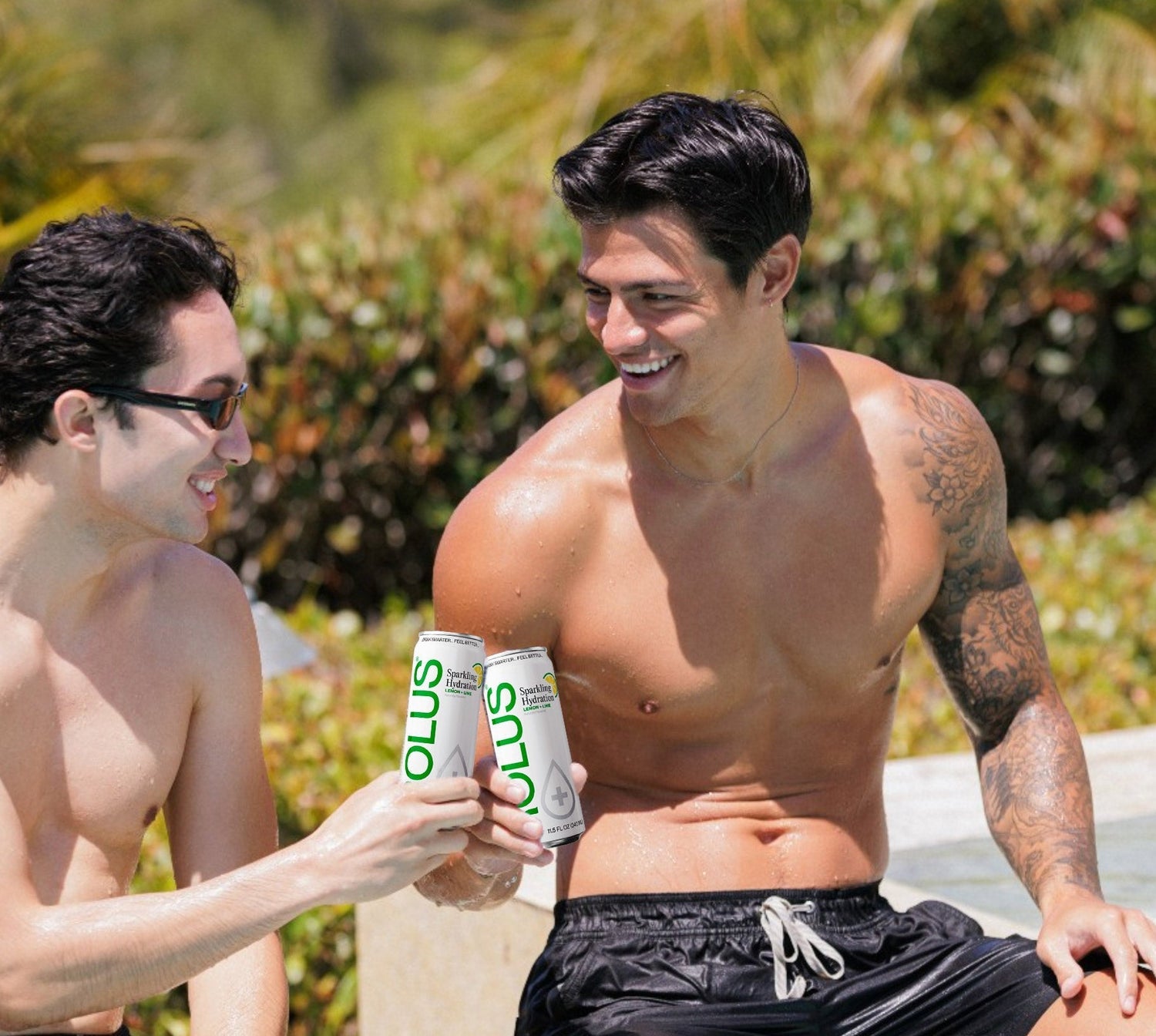
Warm weather can increase fluid loss, especially when you are spending time outside. Beach days, pool days, hiking, festivals, outdoor work, and long walks in the sun can all make hydration more important.
Travel can disrupt almost everything about your routine, including hydration. Airports, flights, road trips, busy itineraries, different climates, and long days away from home can all make it easier to forget to drink enough.
Sweating is one of the clearest moments when people become more aware of hydration. Whether you are sweating from exercise, heat, or daily activity, it is a good reminder to replace fluids and consider whether plain water or water with electrolytes better fits the moment.
Where Electrolytes Fit In
Hydration is often associated with water, but many hydration-focused drinks also include electrolytes. Electrolytes are minerals such as:
➢ Sodium
➢ Potassium
➢ Magnesium
➢ Chloride
These minerals are commonly included in hydration drinks because they are associated with fluid balance and are often discussed in the context of sweating and active lifestyles.
That is why some people choose water with electrolytes after workouts, outdoor activity, travel, or warm-weather days. Plain water still has an important place in your routine. But in certain moments, a drink with electrolytes may feel like a more complete option.
How to Stay Ahead of Dehydration
The easiest way to manage hydration is to make it part of your routine before you feel uncomfortable.
Here are a few simple habits that can help:
➢ Start your day with a drink
➢ Keep water or a hydration drink nearby
➢ Drink before, during, and after activity
➢ Pay attention to thirst
➢ Sip more often in warm weather
➢ Bring a drink when traveling
➢ Rehydrate after sweating
➢ Choose beverages you actually enjoy drinking
That last point matters more than people think. If you enjoy what you are drinking, you are more likely to reach for it consistently. And consistency is one of the most important parts of any hydration routine.
So, What Are the Signs and Symptoms of Dehydration You Shouldn’t Ignore?
The most common signs and symptoms of dehydration can include thirst, dry mouth, fatigue, headache, dizziness, and muscle cramps.
Some signs are subtle. Others are harder to miss.
The key is to listen early. If you have been sweating, traveling, spending time in warm weather, exercising, or simply forgetting to drink enough, your body may be asking for more fluids.
Plain water is always a smart place to start. And when your day includes more heat, movement, or sweat, a hydration drink with electrolytes can be a refreshing option to keep nearby.


Leave a comment
This site is protected by hCaptcha and the hCaptcha Privacy Policy and Terms of Service apply.