


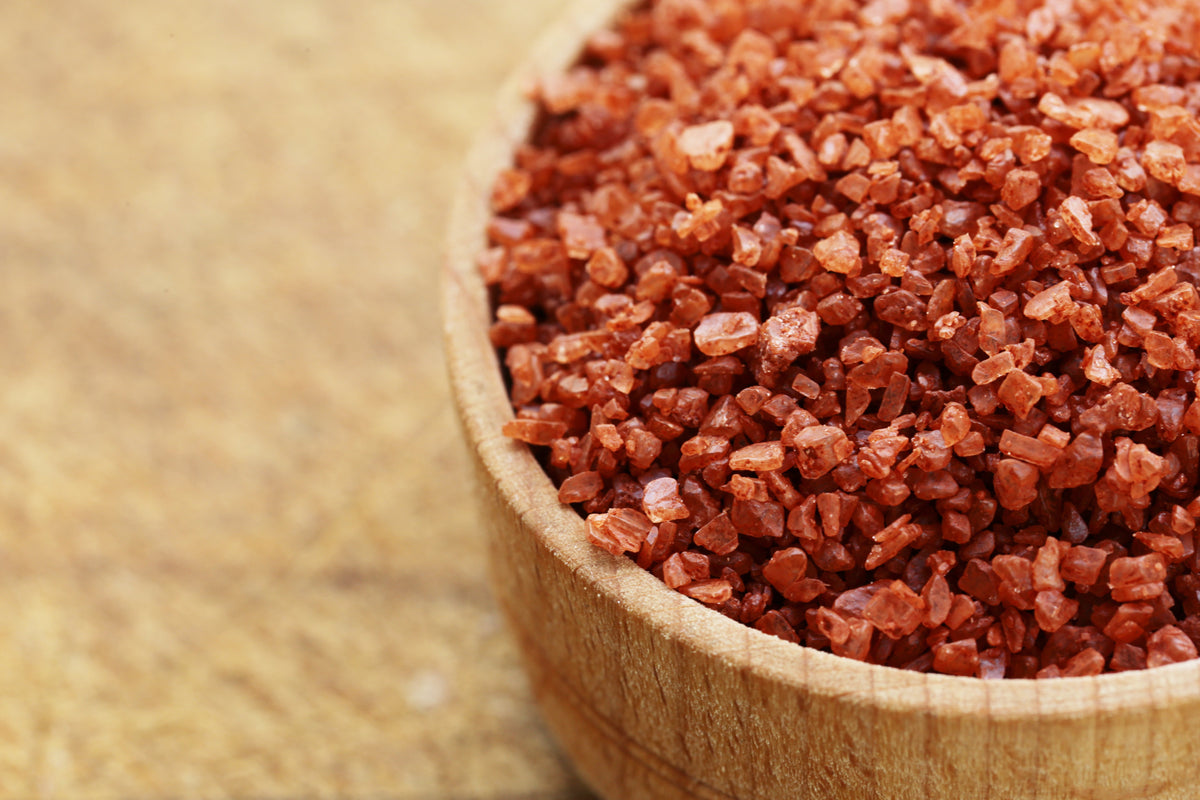
Salt may seem simple until you start looking at all the different options. Hawaiian salt. Himalayan pink salt. Traditional sea salt. Table salt. Kosher salt. They all provide sodium, but they are not necessarily produced, processed, or used in the same way.
So, what makes Hawaiian salt different from other types of salt, and why do we use it in ROLUS?
What Is Hawaiian Salt?
Hawaiian salt is traditionally known as paʻakai, which is often translated as “solid ocean.” It has a long history in Hawaiian culture, where salt has been used for seasoning, food preservation, cultural practices, ceremonies, and gifting.
Like other sea salts, Hawaiian salt begins with saltwater. As the water evaporates, salt crystals are left behind.
However, Hawaiian salt is more than a different name for standard sea salt. Its connection to Hawaiʻi, traditional harvesting practices, and cultural history give it a distinct identity.
Some varieties are white, while others may contain additional natural ingredients that affect their appearance. Red Hawaiian salt, often called ʻalaea salt, is associated with the addition of reddish volcanic clay.
Hawaiian Salt vs. Regular Sea Salt
Sea salt is a broad category. It can come from many coastal areas and bodies of saltwater around the world.
Hawaiian salt is a type of sea salt connected specifically to Hawaiʻi. Its exact characteristics can vary depending on its source, production method, crystal size, and whether anything is added to it.
Both Hawaiian salt and other sea salts are primarily made up of sodium chloride. They may also contain small amounts of naturally occurring minerals, but those amounts can vary significantly from one product to another.
The biggest differences usually include:
➢ Geographic origin
➢ Production and processing methods
➢ Crystal size and texture
➢ Color and appearance
➢ Flavor
➢ Cultural history
For everyday use, both can provide sodium. Hawaiian salt simply brings its own origin and story to the experience.
Hawaiian Salt vs. Table Salt
Table salt is typically highly refined to create small, uniform grains. It may also contain iodine and anti-caking ingredients.
Hawaiian salt generally has a less uniform texture and may be available in fine or coarse crystals. Depending on the variety, it may also have a different color or flavor than table salt.
Still, the two are more similar than they may initially appear. Both are primarily sodium chloride, and both contribute sodium to your diet.
The difference is not that one is salt and the other is not. It is about sourcing, processing, texture, and how each one is used.
Table salt is processed for consistency and convenience. Hawaiian salt is often chosen for its origin, flavor, texture, and connection to Hawaiian salt-making traditions.

Hawaiian Salt vs. Himalayan Pink Salt
Hawaiian salt and Himalayan pink salt are sometimes grouped together because both are considered specialty salts. But they come from completely different sources.
Hawaiian salt comes from seawater, while Himalayan pink salt is a rock salt mined from ancient underground salt deposits.
They also get their colors in different ways. Himalayan salt has a natural pink color caused by trace minerals in the deposits. Red Hawaiian ʻalaea salt gets its recognizable color from the earth traditionally added to it.
Both salts may contain trace minerals, but neither one should be considered a magical source of nutrition. The primary component of both is still sodium chloride.
Choosing between them often comes down to taste, texture, sourcing, and the purpose you have in mind.
What About Kosher Salt?
Kosher salt is best known for its larger crystal size. It is commonly used in cooking because the larger grains are easy to pinch, sprinkle, and distribute over food.
Unlike Hawaiian salt, the name “kosher salt” does not identify a specific geographic source. It primarily describes the salt’s texture and traditional culinary use.
Kosher salt can come from mined salt deposits or evaporated seawater. Hawaiian salt is more closely defined by its connection to Hawaiʻi, although products sold under that name can still vary in sourcing and production.
If you are cooking, crystal size can affect how much salt fits into a measuring spoon. A teaspoon of fine salt can contain more salt by weight than a teaspoon of larger crystals, so different salts are not always interchangeable in recipes.
Is Hawaiian Salt Better for Hydration?
Sodium is one of the key electrolytes involved in hydration. It helps the body manage fluids and supports normal muscle and nerve function.
When you sweat during exercise, spend time in warm weather, travel, or participate in other activities, you lose both water and electrolytes. That is why many hydration drinks include a source of sodium alongside other minerals.
Hawaiian salt can provide that sodium, but the type of salt is only one part of the hydration picture. Meaningful hydration also depends on drinking enough fluid and getting an appropriate balance of electrolytes.
Hawaiian salt does not hydrate the body simply because it comes from Hawaiʻi. Its role in hydration comes primarily from the sodium it provides.
That distinction matters. We like ingredients with a story, but we also like being clear about what they actually do.
Our formula combines refreshing Sicilian lemon and Key lime, replenishing electrolytes from Hawaiian sea salt and added minerals, Greek verbena to support immunity, and L-theanine for stress support. We use Hawaiian sea salt because it gives the formula a source of sodium to support hydration while fitting the crisp, clean taste we want in every can.
So, What Makes Hawaiian Salt Different?
Hawaiian salt has a lot in common with other salts. What makes it different is its origin, history, production, texture, and connection to Hawaiian culture.
Compared with table salt, Himalayan pink salt, kosher salt, and other sea salts, Hawaiian salt brings its own story to the table. For ROLUS, it is also part of a broader electrolyte blend created to support meaningful hydration during full, active, and social days.
No magic claims. No need to turn salt into something it is not. Just a thoughtfully selected ingredient working as part of a formula built for modern hydration.
Drink smarter. Feel better.


Leave a comment
This site is protected by hCaptcha and the hCaptcha Privacy Policy and Terms of Service apply.